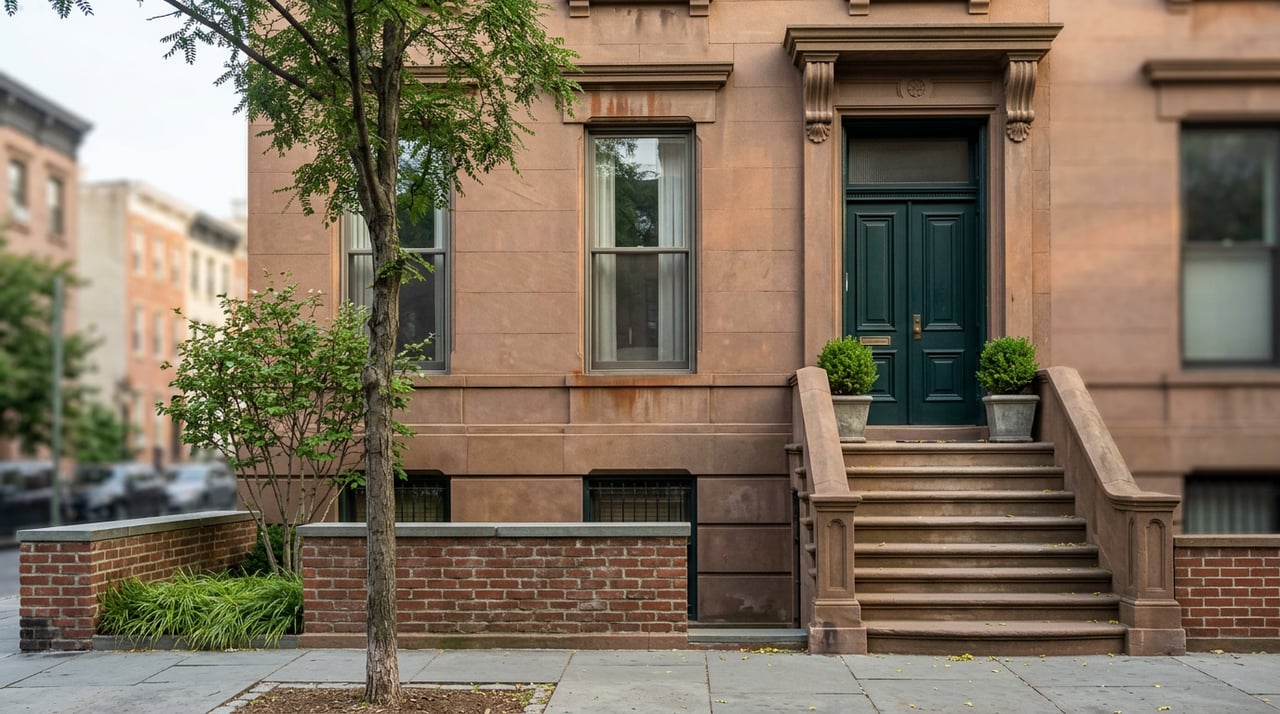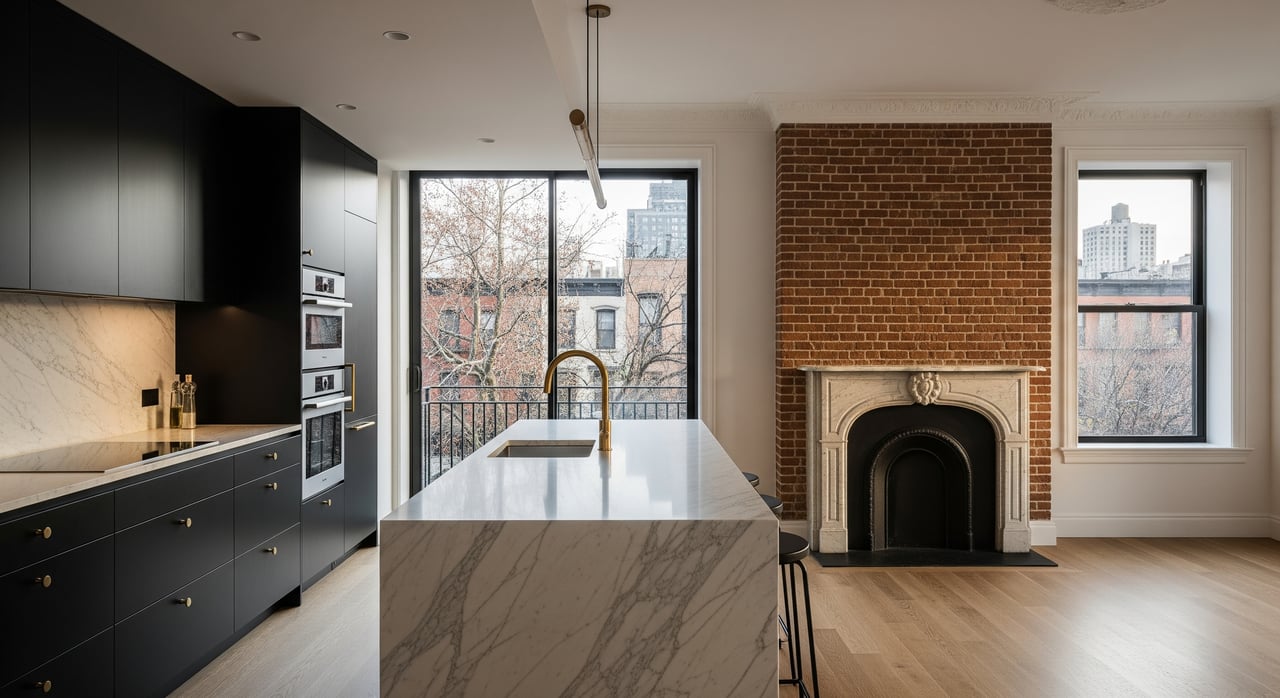
Thinking about a gleaming new condo with a rooftop and gym or a character-filled resale with classic details? Choosing between new development and resale in Brooklyn shapes your budget, monthly costs, closing timeline, and peace of mind. It is a big call, and the right answer depends on how you live and how long you plan to stay. This guide lays out the trade-offs so you can move forward with clarity.
Let’s dive in.
Brooklyn market context
Brooklyn is a patchwork of micro-markets. New construction has concentrated around Downtown Brooklyn, Williamsburg and North Brooklyn, parts of Greenpoint, and select corridors in Sunset Park and Gowanus. Many historic neighborhoods still lean toward resales and co-ops.
New builds often command higher prices per square foot than comparable resales. That premium shifts with the market cycle and by neighborhood. In hot seller markets the gap can widen, while in softer periods developer incentives can narrow it.
New build price premium
You will often pay more per square foot for new construction. The premium reflects modern finishes, larger windows, and amenity packages. The exact gap varies by unit type and location.
What can change the premium:
- Unit details like bedroom count, floor height, and views
- Finish packages and upgrade options
- Amenity scope, services, and parking
- Property tax programs or abatements tied to the building
- Developer reputation and terms in the offering plan
- Time between presale contract and delivery. Prices can move during construction, which affects your realized value.
Finishes and customization
New developments deliver modern, standardized finishes. Expect contemporary kitchens with stone or quartz counters, stainless or panel-ready appliances, engineered wood floors, and integrated HVAC. In the presale phase, you might choose among a few curated finish packages. Major customization is uncommon.
Resales vary widely. Some are recently renovated and turnkey. Others offer renovation potential if you want to tailor the space over time. With a resale you see the final product on day one, which reduces fit-out risk but may require budgeting for future updates.
Amenities and services
Many new buildings include doorman or concierge service, gyms, package rooms, bike storage, roof decks, shared workspaces, and sometimes parking. These features boost daily convenience and are a big part of the appeal.
Smaller resale buildings and walk-ups often trade fewer amenities for lower monthly charges. If you do not need on-site facilities, a resale without full-service features can keep carrying costs in check.
Monthly costs and taxes
New buildings may start with higher common charges. Early operating costs, sponsor control periods, and amenity upkeep add up. Some projects offer temporary credits, first-year concessions, or tax abatements that lower initial carrying costs.
Resales usually have established budgets and a track record of expenses. Older properties can face capital projects such as roofs, facades, or boiler work that lead to special assessments. Reviewing building financials helps you plan ahead.
Co-ops vs condos:
- Co-ops remain common in many Brooklyn neighborhoods. Monthly maintenance often bundles building mortgage and property taxes. Boards can set financial standards for buyers.
- Condos typically cost more per square foot at purchase but can have different monthly structures. Rules for renting and resale also differ by building.
Property taxes vary based on property type and any abatement or PILOT program. Confirm the exact terms in the offering plan or closing documents so you understand the long-term trajectory of taxes and monthly costs.
Warranties and protections
New construction typically includes builder and vendor warranties. Industry norms often cover about 1 year for workmanship and materials, about 2 years for certain systems, and up to 10 years for structural elements. The exact scope is project-specific, so review the offering plan and warranty documents.
New condo and co-op offerings in New York are reviewed through the state’s offering plan process. These documents disclose material facts, reserve funds, sponsor control periods, special assessments, and tax incentives. They are essential for understanding long-term costs and risk.
Resales do not include builder warranties for past work. You will rely on inspections, any existing service contracts, and transferable appliance warranties. Thorough due diligence is your best protection.
Inspection and leverage
New developments usually allow pre-closing walkthroughs. Contracts tend to limit post-contract changes, and inspection rights can be more restricted than a typical resale. You should still bring a qualified consultant for a punch list.
Resale buyers often order full inspections and can negotiate credits or repairs during attorney review. You have more control over what you accept or walk away from based on findings.
Timeline and process
If you buy a presale, your closing depends on construction. Delivery can take 12 to 36 months from contract based on the stage of the project. Market conditions can change during that period.
Buying a finished sponsor unit in a new building can resemble a resale timeline, but sponsor procedures and offering plan requirements still shape the process.
Resale timelines vary by property type:
- Many condos and one-to-two family homes close in about 45 to 90 days, subject to financing
- Co-ops often take 60 to 120 days due to board package preparation, review, and interviews
Financing differences
Lenders treat condos and co-ops differently. A co-op purchase is a loan to buy shares in the corporation and often requires stronger liquidity and more conservative debt-to-income ratios. Down payment rules can be tighter, especially for non-primary residences.
Some developers offer preferred lenders or in-house programs that streamline approvals for new buildings. Offering plans may include policies that affect investors, such as rental terms or leaseback rights. Review these early if you plan to rent the unit.
Concessions and incentives
Developer incentives fluctuate with the market and by project. Common incentives include closing cost credits, upgrade packages, temporary common-charge credits, price adjustments on select units, and limited rent-back guarantees after closing.
Resale concessions are less standardized. You may negotiate a price reduction, closing cost credits, or repair credits based on inspection findings and seller motivation.
Risks to weigh
Presale risk includes construction delays, market shifts between contract and closing, and changes in your personal situation. Your deposit is typically committed during this period, so think carefully about timing and liquidity.
Resale risk includes hidden defects that inspections miss, future capital assessments, board approval risk for co-ops, and potential title issues. Strong due diligence and experienced guidance help reduce surprises.
Carrying costs matter in both cases. If you buy before you move, or if a closing is delayed, plan for mortgage, taxes, and monthly charges.
How to decide
Time horizon:
- If you expect to move within 3 to 5 years, a resale with clear comparable sales can provide more predictable exit value.
- If you plan to stay 10 or more years, new construction can reduce near-term renovation needs and deliver lifestyle benefits through modern systems and amenities.
Amenities and services:
- Value doorman, gym, package handling, and resident spaces. New developments often deliver these in one place.
- Prefer simplicity and lower monthly charges. A smaller resale building may be better.
Customization and control:
- Want turnkey and modern. Choose new development or a renovated resale.
- Want full inspection leverage and post-closing renovation control. Choose resale.
Risk tolerance:
- Low tolerance for timing risk. Favor finished resales or fully completed sponsor units.
- Comfortable with construction timelines and potential upside. Consider presale, but vet the developer and offering plan thoroughly.
Financing profile:
- Co-op purchases often require stronger liquidity and board approval. If your financial profile is complex, evaluate co-op rules early.
- If you need more flexible financing, a condo might better fit lender options.
Practical comparison checklist
Use this list to compare a specific new development unit to a specific resale:
- Purchase price and price per square foot
- Estimated monthly carrying cost. Common charges or maintenance, property taxes, and a mortgage estimate
- Amenities and services. Doorman, gym, roof deck, parking, package room, bike storage
- Incentives or credits. Closing cost assistance, finish upgrades, or temporary fee credits
- Warranties. Workmanship, systems, and structural coverage terms
- Closing timeline. Expected delivery date, co-op board review, and critical contingencies
- Resale comparables. Recent closed sales and price trends in the micro-neighborhood
- Developer track record and offering plan terms. Sponsor control periods and reserve funding
- Building rules. Co-op sublet policies or condo leasing and house rules
Scenarios that help
Scenario A. First-time buyer who wants amenities and plans to stay long term:
- A recently completed new condo with a gym and doorman can be a strong fit. The higher purchase price may be balanced by reduced renovation needs over 10 or more years.
Scenario B. Investor or short-horizon buyer:
- A renovated resale condo or townhouse with clear comparable sales can reduce timing risk. If you intend to rent, review building rental rules before you bid.
Scenario C. Buyer with tight upfront cash but high liquidity needs:
- Co-ops often have stricter liquidity requirements after closing. Depending on lender programs, a condo purchase could better match financing flexibility.
Next steps in Brooklyn
For any new development you are considering, review the offering plan carefully. Confirm warranty coverage, sponsor control policies, reserve funding, and any tax abatement or PILOT terms. Note how long temporary credits last and what happens when they expire.
For resales, order a thorough inspection. Request recent board or HOA meeting minutes, study reserve fund levels, and check for pending assessments. Ask your attorney to review building financials and house rules.
Compare total cost of ownership across your likely holding period. Include purchase price, closing costs, monthly charges, taxes, renovation allowances, reasonable appreciation scenarios, and selling costs. Build a cushion for surprises.
If you want a clear side-by-side and a strategy tailored to your goals, connect with the Luxury Alliance Team. Our Brooklyn focus, development expertise, and high-touch guidance help you choose with confidence.
FAQs
What is the typical closing timeline for a Brooklyn condo resale?
- Many condos close in about 45 to 90 days, depending on financing speed and contract terms.
How long does a co-op purchase in Brooklyn usually take?
- Co-ops often take 60 to 120 days due to board package preparation, attorney review, and interview scheduling.
What warranties come with a new development condo in Brooklyn?
- New construction commonly offers about 1 year for workmanship, about 2 years for certain systems, and up to 10 years for structural elements, subject to the offering plan.
How do monthly costs differ between new builds and resales in Brooklyn?
- New builds may have higher common charges and amenity costs, sometimes offset by temporary credits or abatements, while resales can have steadier budgets but potential assessments.
What risks should I consider with a presale new development in Brooklyn?
- Key risks include construction delays, market shifts between contract and closing, and personal circumstances changing during a 12 to 36 month delivery window.