Craving a calm corner of Manhattan where you can arrive, exhale, and enjoy the city at your own pace? If you want great dining, culture, and parks without the constant buzz outside your window, you are not alone. In this guide, you will learn which neighborhoods feel like a getaway, how to choose between a condo and a co-op for part-time living, and the key rules and building features to prioritize. Let’s dive in.
What makes a block feel like a getaway
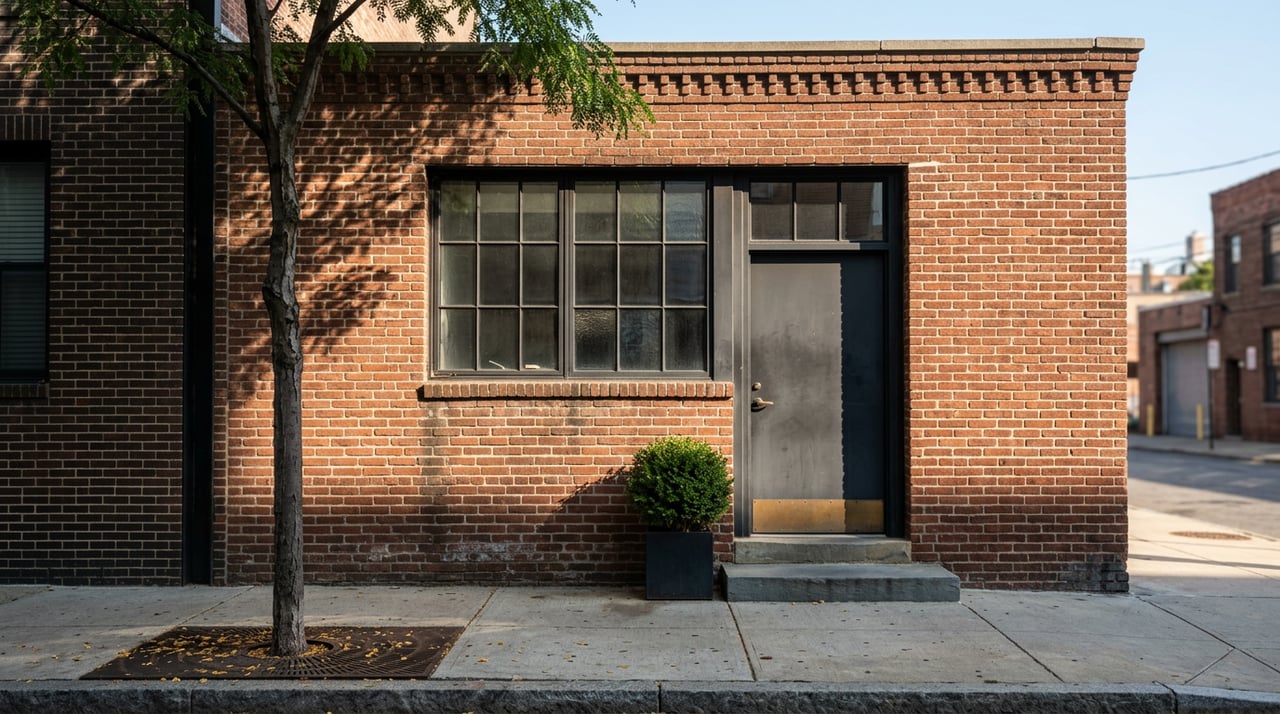
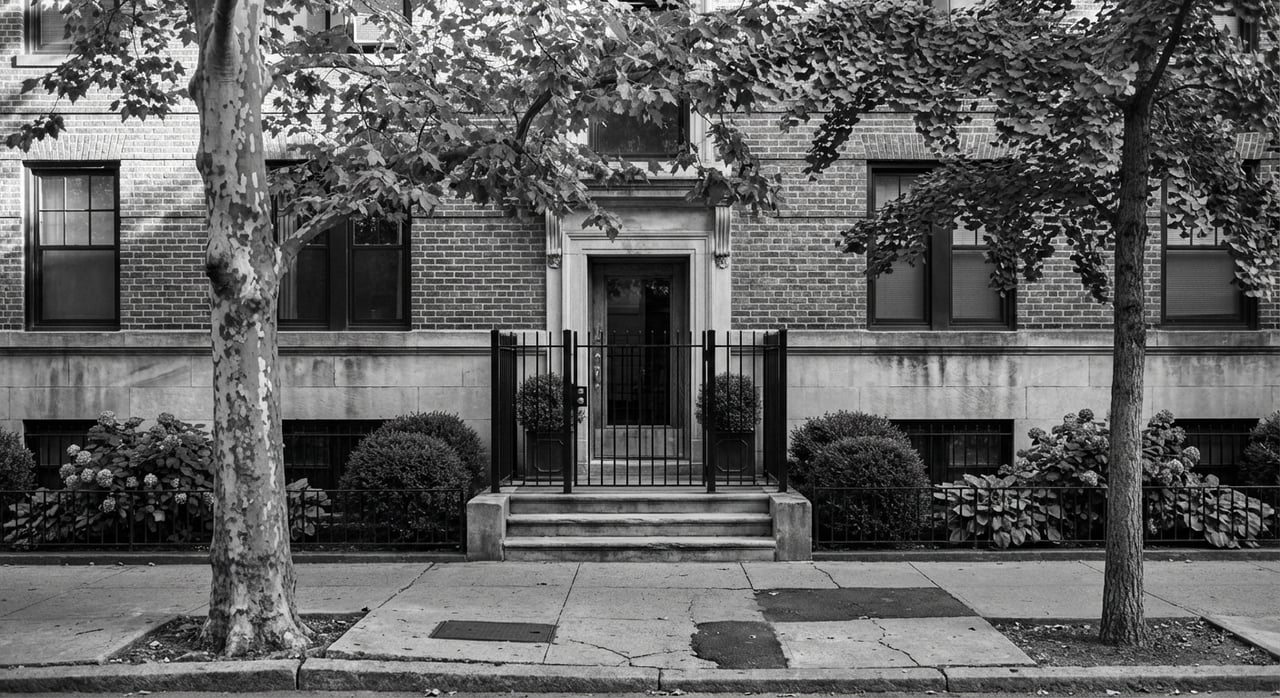
A true city retreat balances access and ease. You want quiet local streets, but you also want to be minutes from restaurants, culture, and transit. According to neighborhood overviews, pockets with tree-lined blocks, human-scale buildings, and strong local dining tend to read as more relaxed and residential than the avenues around them. You can see this pattern in several Manhattan areas highlighted in broad guides to the borough’s micro-neighborhoods, which note intimate street scales and independent shops as key cues of a calmer vibe (neighborhood guide insights).
Condo or co-op for a second home?
For pied-a-terre use, condos are usually more flexible. Co-op boards often require detailed applications, interviews, and can be stricter about non-primary use and subletting, while condos typically allow more autonomy (co-op vs. condo overview). Also compare total monthly carrying costs. Co-op maintenance often includes taxes and building debt, while condo owners pay common charges plus property tax separately, so look at the all-in number rather than headline price alone (cost comparison context).
If you plan to finance, note that lenders may set different down payment or rate expectations for non-primary residences. Many pied-a-terre purchases in Manhattan close in cash, but it is smart to consult lenders early about second-home programs and requirements (pied-a-terre basics).
Building features to prioritize
In a lock-and-leave home, services matter more than square footage. Look for:
- Full-service staffing with doorman or concierge, secure package handling, and on-site management (pied-a-terre priorities).
- Storage options for luggage and seasonal items.
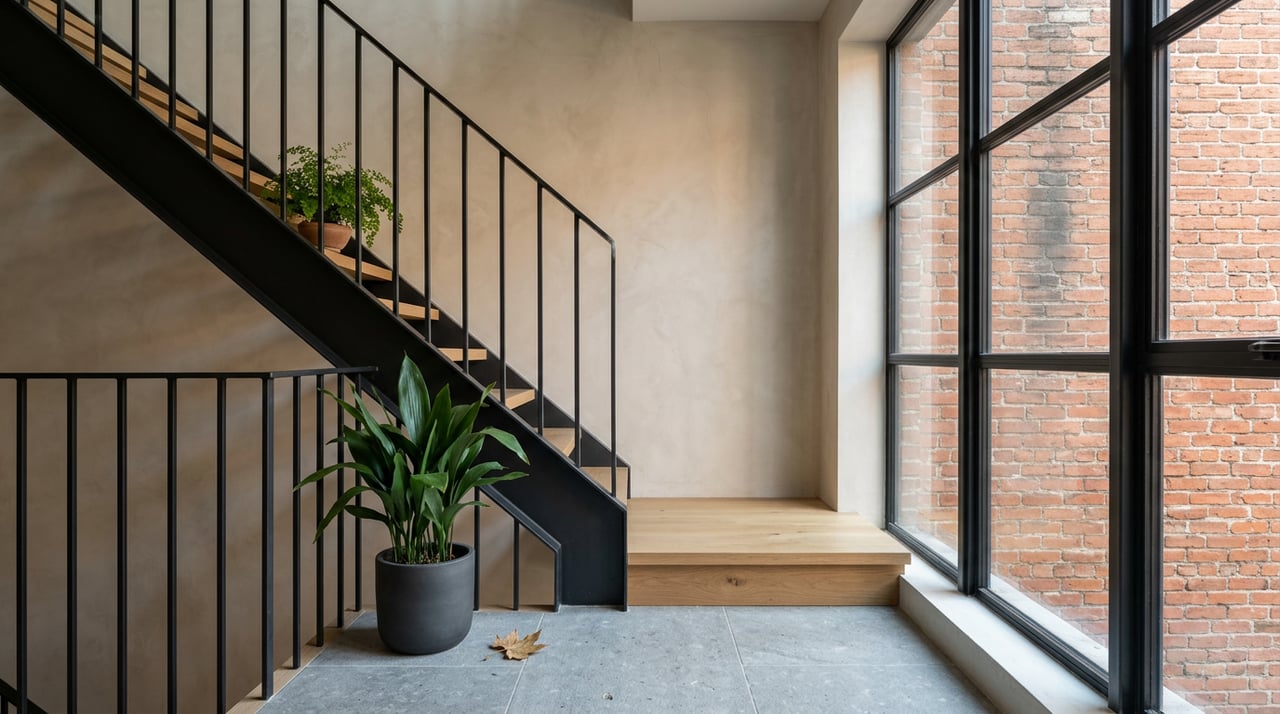
- Smart climate control or easy staff access for seasonal checks.
- In-building amenities that minimize errands, like a gym and laundry.
- Access to vetted housekeeping or on-demand services.
- Insurance that explicitly covers seasonal or part-time occupancy; confirm vacancy language with your insurer (insurance notes).
Neighborhoods that feel like a getaway
West Village
- Vibe: Narrow, tree-lined streets, historic brownstones, and intimate blocks create a small-town calm inside the city. Independent restaurants and boutiques add to the slow, walkable rhythm (vibe snapshot).
- Transit: Christopher St on the 1 and nearby West 4 St transfers connect you to A, C, E, B, D, F, and M. The Christopher St–Sheridan Sq stop is a simple anchor for local access (Christopher St station).
- Buildings: A mix of prewar co-ops and boutique condos. Inventory is limited, and many co-ops have traditional board cultures.
- Why it suits a pied-a-terre: Evening streets tend to be calmer off the avenues, dining is exceptional, and daily needs are walkable. If you consider a co-op, confirm pied-a-terre and sublet policies early.
Tribeca
- Vibe: Wide cobblestone blocks, airy lofts, and waterfront parks create a quiet, residential energy that still feels deeply downtown.
- Transit: Multiple lines nearby around Chambers and Canal offer fast access across Manhattan and to Brooklyn.
- Buildings: Loft conversions and luxury full-service condos are common, which helps part-time owners who want modern systems and fewer board hurdles.
- Why it suits a pied-a-terre: Stylish interiors, strong dining, and the Hudson River esplanade deliver a restful base with easy access to the rest of downtown.
Upper West Side
- Vibe: Central Park and Riverside Park frame a relaxed residential corridor with easy access to Lincoln Center and major museums.
- Transit: The 1/2/3 and B/C lines create straightforward crosstown and Midtown connections.
- Buildings: Many classic prewar co-ops with doormen, plus select condos, especially along the river. Co-op rules for non-primary use can be conservative, so diligence is key (ownership tradeoffs).
- Why it suits a pied-a-terre: Park access, culture, and calmer evening streets off the avenues make day-to-night living easy.
Battery Park City
- Vibe: A planned waterfront enclave with abundant parks and an esplanade that feels almost resort-like by Manhattan standards (neighborhood overview).
- Transit: Linked by pedestrian connections to the World Trade Center and Fulton St transit hubs, with additional Downtown links and ferry access (transit context).
- Buildings: Post-1980s full-service condos with modern systems and river views are common, which simplifies lock-and-leave living.
- Why it suits a pied-a-terre: Quieter at night, service-rich, and steps from waterfront green space.
Gramercy Park
- Vibe: A formal, small-scale district built around a private, gated park. Access is limited to keyholders, which adds to the enclave’s quiet, residential tone.
- Transit: Close to Union Square and multiple lines, so you can move quickly downtown or to Midtown.
- Buildings: Prewar co-ops and boutique condos are common. Many co-ops near the park favor owner-occupancy, so confirm non-primary use early.
- Why it suits a pied-a-terre: Historic architecture, tucked-away streets, and central access without Midtown bustle.
Sutton Place
- Vibe: A riverside pocket with limited retail and a more private feel. Quiet streets and views define this east-side enclave (Sutton Place context).
- Transit: East-side buses and nearby subway access offer direct Midtown connections.
- Buildings: A blend of classic apartments and select condos; many buildings emphasize a low-key residential atmosphere.
- Why it suits a pied-a-terre: Privacy, river breezes, and easy access to Midtown offices and dining.
Rules and logistics you should know
Short-term rentals are tightly limited
New York City’s short-term rental registration rules under Local Law 18 make most whole-home stays under 30 days effectively off-limits unless the host is also present. Registration is required and platforms must match the city database. Building and unit types on the prohibited lists cannot register, and the city’s Office of Special Enforcement actively enforces violations. If you plan to offset costs with nightly rentals, do not assume that is allowed (Local Law 18 overview).
Financing and taxes for a second home
Second-home loans can carry different down-payment and underwriting standards. Some buyers opt to pay cash for speed and certainty. Mortgage interest on a second home is generally deductible under IRS rules, subject to limits and itemizing, but you should confirm current guidance with your tax advisor (second-home basics; IRS reference). There has been recurring debate about a New York pied-a-terre surcharge, but as recent legal digests note, proposals have not become permanent statewide law. Status can change, so check current updates before buying (legislative status context).
House rules and approvals
Before you make an offer, ask for the building’s governing documents and timelines. Request bylaws or a proprietary lease, house rules, and any sublet or non-primary use policies. Co-ops often have detailed approval processes and interview steps, so clarity up front saves time (board guidance; co-op review norms).
Quick buyer checklist
- Choose a building type that aligns with part-time use. Condos are usually more flexible for pieds-a-terre than co-ops.
- Verify house rules about non-primary ownership, subletting, guests, and extended absences.
- Confirm that staff can manage packages, access, and seasonal checks while you are away.
- Understand Local Law 18 limits on short-term rentals. Do not plan around nightly rental income.
- Price for quality rather than size. In top pockets, smaller but well-located units can command premiums.
- Line up financing early, or be prepared to present cash to compete.
- Obtain insurance that covers part-time occupancy and any vacancy clauses.
Regulatory update reminder
- Short-term rentals: Review Local Law 18 and the Office of Special Enforcement’s current rules before planning any rentals under 30 days (OSE rules).
- Taxes: Monitor the latest discussion of any proposed pied-a-terre surcharges in New York, and consult a tax professional for federal and state deduction changes (legal digest overview).
Work with a team that knows second homes
If you are seeking a calm, walkable base that is easy to lock and leave, you need a precise plan for neighborhood fit, building governance, and services. Our team pairs market insight with hands-on guidance to help you identify a home that feels like a retreat and functions smoothly when you are away. Ready to explore options and compare buildings side by side? Schedule a consultation with the Luxury Alliance Team.
FAQs
What makes a Manhattan neighborhood feel like a getaway for a second home?
- Smaller blocks, tree-lined streets, strong local dining, and quick park access create a calmer feel while keeping you close to transit and culture (neighborhood guide insights).
Is a condo or a co-op better for a pied-a-terre in NYC?
- Condos are usually more flexible for non-primary use and subletting, while co-ops can be more restrictive but sometimes carry lower prices and different monthly costs (co-op vs. condo overview).
Can I rent out my pied-a-terre on Airbnb in Manhattan?
- Most whole-home stays under 30 days are not allowed without the host present, and registration is required under Local Law 18, which the city actively enforces (Local Law 18 overview).
How do I check if a building allows non-primary ownership in Manhattan?
- Request and review bylaws, house rules, and the proprietary lease for co-ops, and ask management to confirm pied-a-terre and sublet policies before making offers (board guidance).
Do I need special insurance for a part-time Manhattan home?
- Yes, ask insurers for policies that cover seasonal or part-time occupancy and confirm any vacancy exclusions or limits on guest use (insurance notes).