What if your morning coffee came with Manhattan skyline views and a quick stroll to the water? If you are considering a condo on the Brooklyn waterfront, you want more than pretty photos. You want a clear picture of daily life and the practical details that shape your decision. In this guide, you will learn how the most popular waterfront neighborhoods feel day to day, how you will commute, what amenities and building policies matter, and which risks and tradeoffs to weigh. Let’s dive in.
Why Brooklyn waterfront condos draw buyers
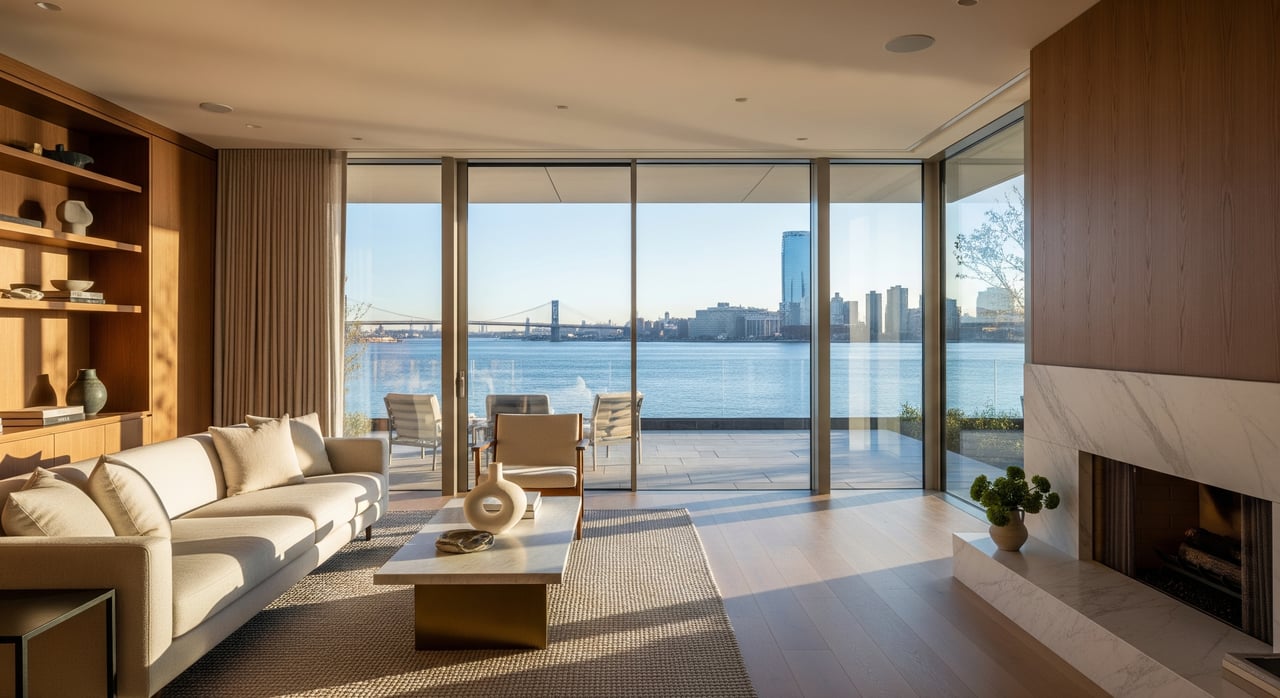
Waterfront condos in Brooklyn appeal to people who value light, space, and access to parks and water, along with straightforward connections to Manhattan. You will find a mix of owner‑occupants and investors, with historic pockets like Brooklyn Heights and DUMBO leaning toward end users and newer towers in Williamsburg and Greenpoint offering a broader mix. Motivations often include skyline views, modern amenities, and better floor plans than older walkups.
Pricing in these corridors is typically above broader borough medians, with historic and prime buildings commanding a premium. Supply can feel tight, especially in landmarked areas where resales are limited, while new development launches can briefly add options and influence pricing. Long term, limited waterfront land and steady demand support desirability, though near‑term conditions can shift with interest rates and broader NYC cycles.
Neighborhood snapshots
DUMBO life at the edge of the park
DUMBO blends cobblestone streets, converted industrial lofts, and curated new developments. Many homes feature high ceilings and large windows that frame dramatic views of the East River, the Brooklyn and Manhattan Bridges, and the skyline. You are steps from Brooklyn Bridge Park and its piers, which shape a daily rhythm of runs, dog walks, and weekend picnics.
Expect quick access to specialty coffee, bakeries, galleries, and upscale dining. The neighborhood can be busy on weekends near the park and popular photo spots, yet weekday mornings can feel surprisingly calm on certain blocks. Transit links include the F at York Street, the A/C near High Street, nearby ferry service, and walkable access to the Brooklyn and Manhattan Bridges for bike and pedestrian crossings.
Brooklyn Heights calm by the Promenade
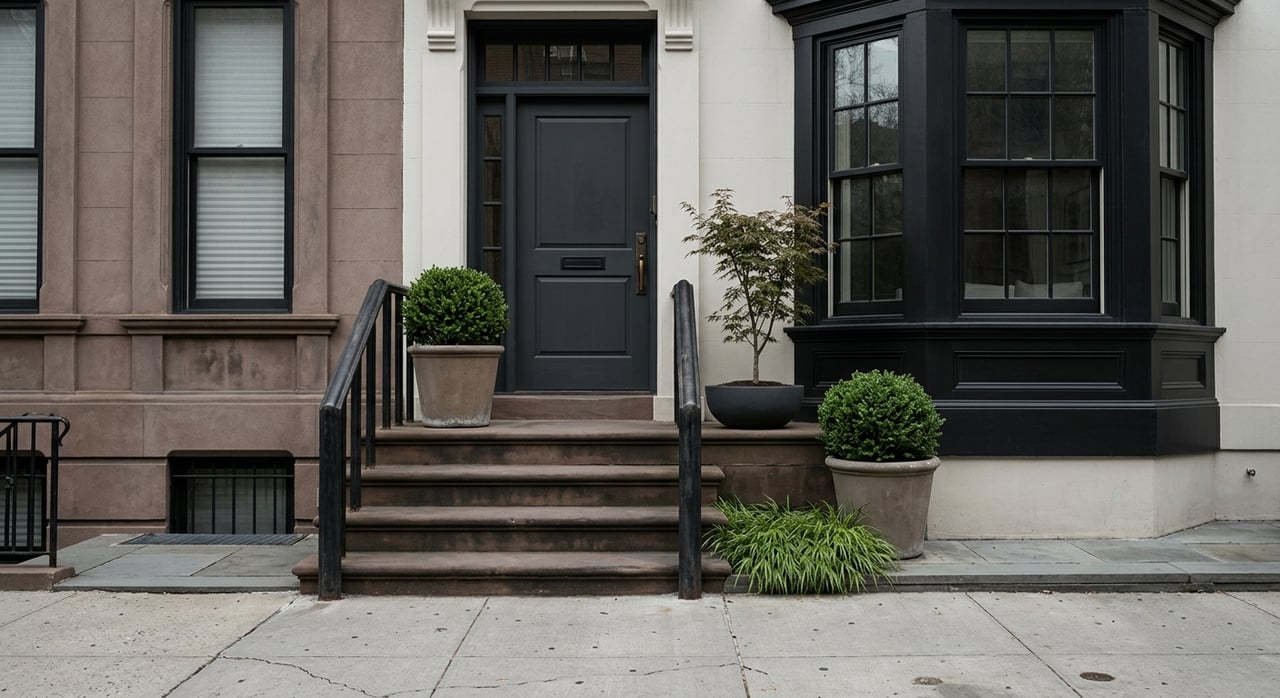
With historic brownstones and tree‑lined streets, Brooklyn Heights offers a relaxed residential feel and a close connection to the waterfront. Many condos in mid‑ and high‑rise conversions face the river or the Promenade, which offers one of the city’s most iconic skyline views. The area borders Brooklyn Bridge Park and includes pocket parks and local greenways.
Daily life centers around neighborhood retail on Montague Street and Atlantic Avenue, plus easy pedestrian connections. Multiple subway lines at Borough Hall and Clark Street provide short rides into Manhattan. The overall pace is quieter than more tourist‑drawn waterfront spots.
Williamsburg energy and amenities
Williamsburg mixes new glass towers, converted industrial spaces, and classic rowhouse blocks. You will find a dynamic dining scene, craft coffee, breweries, and active street life. Domino Park and the waterfront greenways add expansive outdoor space, with rooftop terraces and resident lounges in many buildings.
The L train remains a key Manhattan link, with additional access points at Marcy Avenue and other nearby stops. Ferry service and high rates of bike and rideshare usage give you multi‑modal options. Expect lively nights and weekends, especially along major corridors and near the water.
Greenpoint’s quieter North Brooklyn edge
Greenpoint balances residential streets with a growing waterfront condo scene. Many buildings offer calm views across the East River, plus access to Transmitter Park and local green spaces. The café and restaurant mix continues to expand, and daily needs are within reach along main avenues.
Transit to Manhattan is more dependent on ferry, bus, and strategic bike or car routes, with the G train providing cross‑Brooklyn and Queens connections. The overall feel is more low‑key than Williamsburg, with a strong neighborhood identity.
Getting around without the stress
Most residents layer transit modes to match the day. Many combine subway with walking or biking, or swap in the ferry for a comfortable, scenic ride during peak hours. Waterfront terminals serve workday commutes and leisure trips, and many buildings include bike storage and repair areas.
Car ownership is less common, and on‑site parking is limited and valuable when available. Street parking can be competitive, and garages add to monthly costs. Service changes or planned work can affect specific lines at times, so it is smart to confirm current transit plans before you finalize a purchase.
Parks, greenways, and weekend rhythm
Brooklyn Bridge Park and Domino Park anchor the waterfront lifestyle. You will see early‑morning runners, sunset strollers, and weekend programming that brings energy to the piers and lawns. The East River Waterfront Greenway links neighborhoods for long, uninterrupted walks and bike rides.
Waterfront amenities often include kayak launches, ferry hubs, seasonal events, and food vendors. On sunny days, expect more foot traffic and vibrant public spaces. If you prefer quieter pockets, touring at different times of day will help you find your comfort zone.
Buildings, amenities, and monthly costs
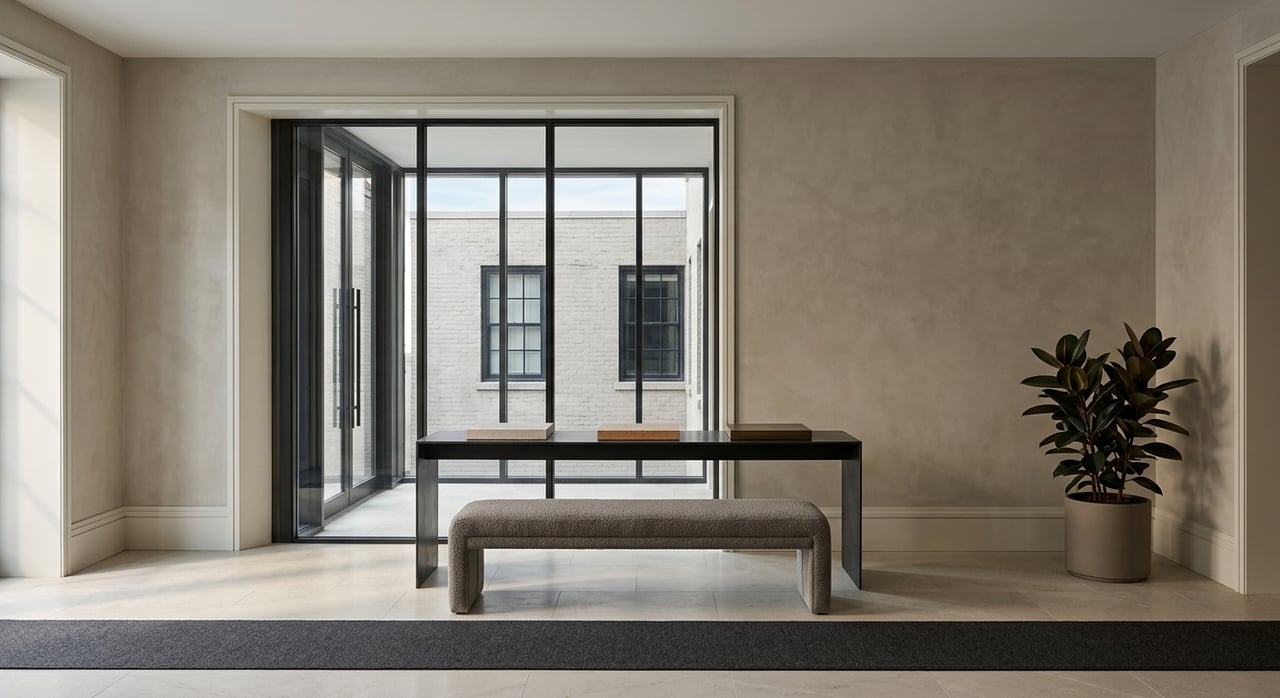
You will encounter two main building profiles. Converted industrial lofts deliver volume, character, and big windows, sometimes with a lighter amenity package. New mid‑ and high‑rise condos emphasize full‑service living with doormen, gyms, lounges, roof decks, children’s rooms, bike rooms, and secure package areas.
Monthly common charges vary widely based on building size, services, and amenity scope. In full‑service towers, higher fees reflect staffing and operations. In smaller conversions, charges can be lower but may include fewer services. When you review a condo’s financials, confirm what utilities are included and how heat, hot water, gas, electricity, and internet are billed.
Ask about the reserve fund and recent or planned capital projects. Elevators, roofs, boilers, and facade work can create special assessments if reserves are thin. In new developments, check for any tax abatements and when they phase out. Understanding billing cadence and tax treatment helps you model true carrying costs.
Flood risk and building resiliency
Many waterfront properties lie within flood‑prone zones. If a building sits in a high‑risk area, your lender may require flood insurance and premiums can be higher than inland locations. It is important to map a property’s flood zone and confirm insurance needs early in your process.
Ask the managing agent or board about resiliency measures. Look for raised or flood‑proofed mechanicals, protected electrical rooms, back‑up power, stormwater systems, and elevated lobbies or entrances. City‑level resiliency projects continue to evolve, and building‑level preparedness can reduce risk and support long‑term value.
Rules around renting and hosting
NYC restricts many types of short‑term rentals, and buildings often have their own policies. Before you assume rental income, confirm whether the condominium permits leasing, any minimum lease lengths, and registration or compliance requirements. Zoning overlays and historic districts also shape what owners can modify or expand, especially in preserved areas.
If you plan to buy with an investment lens, align the building’s rental rules with your strategy. Strong transit and ferry access can support rental demand, but policy and compliance come first.
Daily tradeoffs to weigh
Living on the water delivers rare views and easy access to parks, greenways, and amenities. Newer buildings can offer well‑thought‑out layouts and a high level of services. Historic pockets provide enduring character and identity.
Tradeoffs include higher prices and common charges in many buildings, plus potential exposure to flood risk and insurance costs. Tourist activity can increase noise and foot traffic near major parks and piers. Parking is limited, and transit service changes can affect some corridors at times.
Are you a fit for waterfront condo life?
- You value views, outdoor access, and walkable amenities more than a large private yard.
- You are comfortable paying for services that simplify daily life.
- You like an active urban setting and understand there will be more foot traffic and events.
- You want direct or multi‑modal trips to Manhattan using subway, ferry, or bike.
How to tour like a pro
- Test the commute. Do peak‑hour runs by subway and by ferry. Compare comfort, timing, and transfers.
- Walk the route to the water. Note whether the path is direct or interrupted by construction or service roads.
- Map daily needs within 10 to 15 minutes. Check grocery, pharmacy, cafés, and fitness.
- Audit the amenity package. Is the roof deck truly usable? Are gyms and lounges sized to the building?
- Check sound and sunlight. Visit at different times and stand near windows. Listen for bridge, park, or venue noise.
- Review building systems and maintenance. Ask about heating type, boiler and elevator age, and any water intrusion history.
- Confirm financials. Look at reserve levels, recent assessments, and what common charges include.
- Clarify insurance. Price flood coverage if the address lies in a higher‑risk zone.
- Verify rental policies. Understand minimum lease terms and short‑term rental rules.
- Plan storage and deliveries. Check bike storage, stroller access, and package room capacity.
Work with a team that knows the shoreline
Choosing the right waterfront condo comes down to pairing lifestyle with clear numbers. You want a partner who understands new development, knows how buildings operate, and can translate amenities, fees, and risk into a decision you trust. The Luxury Alliance Team blends boutique, founder‑level expertise with a powerful marketing platform to help you identify the right building, evaluate financials, and negotiate with clarity.
If you are exploring DUMBO, Brooklyn Heights, Williamsburg, or Greenpoint, we can guide your search and help you tour with purpose. Ready to see what fits? Connect with the Luxury Alliance Team to schedule a consultation.
FAQs
What are typical monthly carrying costs for Brooklyn waterfront condos?
- Common charges vary by building size and services, and property taxes and any abatements will shape the total; review financials to model all‑in costs.
How reliable is the ferry for daily commuting from the Brooklyn waterfront?
- Ferry routes provide a comfortable, scenic option and pair well with walking or biking, but schedules vary by line and season, so confirm current timetables.
How serious is flood risk for condos on the East River in Brooklyn?
- Many addresses sit in mapped flood zones, which can require flood insurance; ask about building resiliency features and verify coverage early.
Do waterfront condos hold resale value better than inland units in Brooklyn?
- Prime waterfront pockets are historically desirable, but short‑term price movement depends on building quality, inventory, and market conditions.
Are short‑term rentals allowed in Brooklyn waterfront condo buildings?
- NYC has strict short‑term rules and many condos restrict them; confirm building policies and any registration requirements before you rely on rental income.
Are there parking options in Brooklyn waterfront developments?
- On‑site parking is limited and often comes at a premium, with many residents using subway, ferry, biking, and rideshare instead.
Which amenities tend to drive higher common charges in new towers?
- Full‑service staffing, doorman and concierge, extensive fitness and lounge spaces, roof decks, children’s rooms, and robust package operations increase costs.