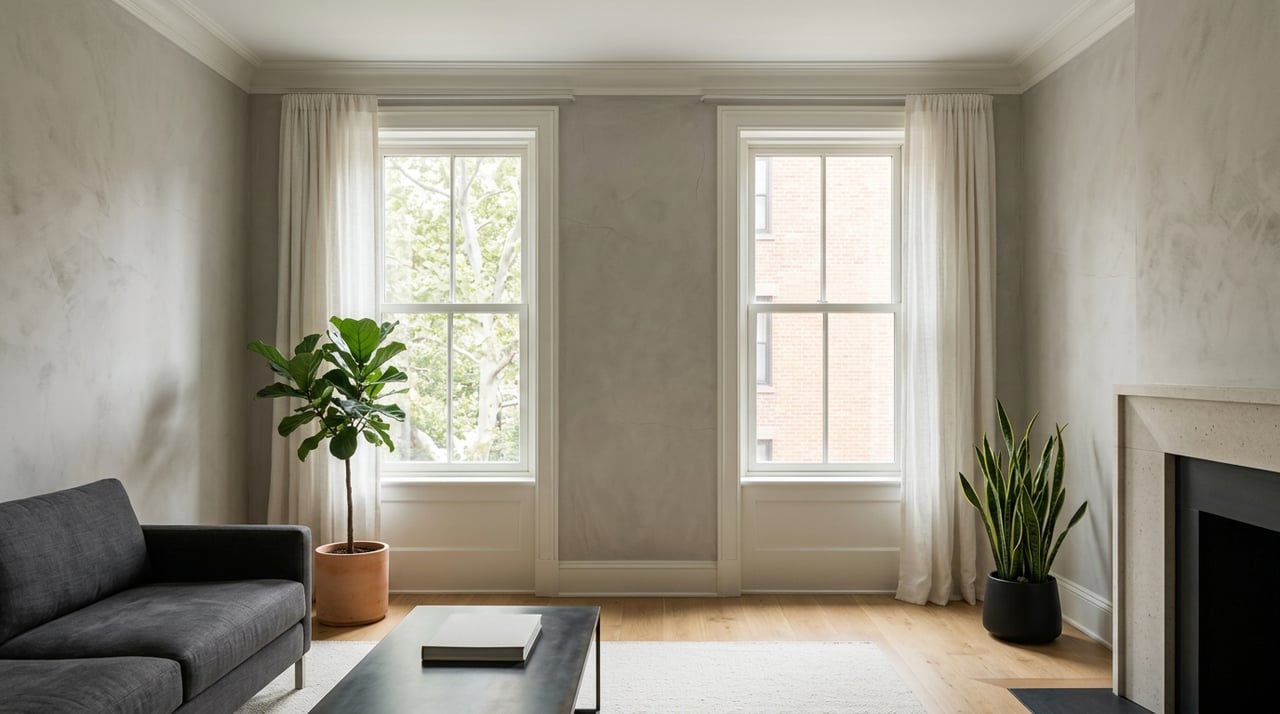
If you picture luxury in New York as one kind of building or one kind of neighborhood, Brooklyn quickly changes that idea. Here, luxury can mean a glassy waterfront condo, a landmarked brownstone on a tree-lined block, or a home that puts parks, culture, dining, and transit into your daily routine. If you are trying to understand what high-end living looks like in Brooklyn today, this guide will help you see the full picture. Let’s dive in.
Brooklyn Luxury Is Broader Than You Think
Brooklyn luxury is not centered in a single skyline district. It stretches across waterfront enclaves, historic residential areas, and newer mixed-use corridors that offer a more layered version of city living.
That matters if you are buying, selling, or simply tracking the market. In Brooklyn, luxury is just as much about how you live as it is about square footage or price point.
Brooklyn’s Luxury Market Remains Active
Recent market data shows steady demand at the top end of the borough. Corcoran’s May 2026 Brooklyn condo and co-op report found that signed contracts rose 2% year over year to the highest monthly total in two years, while condo contracts rose 8%.
That same report noted that sales above $3 million more than doubled from the prior year. Inventory also climbed to 2,015 listings, the highest monthly total since June 2022, which suggests more choice for buyers even as premium demand continues.
Corcoran’s first-quarter 2026 report adds more context. Average price reached $1.113 million, median price was $828,000, and days on market fell 11% year over year, with activity still driven by homes above $2 million.
If you want a practical benchmark for the luxury tier, Douglas Elliman’s Q4 2025 Brooklyn sales report offers one. It placed the entry point for the top 10% of sales at $2.425 million, with a median luxury sale price of $3.1 million.
Luxury Means Condos and Townhouses
One of the biggest misconceptions about Brooklyn is that luxury is mostly a condo story. The numbers suggest something more balanced.
Douglas Elliman reported that 1- to 3-family homes made up 60.1% of luxury sales, compared with 37% for condos. In simple terms, Brooklyn’s high-end market includes both polished new development and townhouse or single-family living in a major way.
That mix gives the borough its distinct identity. You can find buyers drawn to amenity-rich sponsor condos near the waterfront, and others searching for historic scale, private outdoor space, and the architectural detail that comes with townhouse ownership.
Where Brooklyn Luxury Living Clusters
Brooklyn luxury tends to follow two main tracks. One is shaped by waterfront access and new development, and the other by historic streetscapes and established residential character.
Waterfront and New Development Areas
Recent reports show strong higher-end activity in DUMBO, Williamsburg, Greenpoint, and Boerum Hill. These areas align with Brooklyn’s role as one of New York City’s most visible new-development corridors.
REBNY’s New Housing Development Pipeline Report shows that Brooklyn and Queens accounted for 65% of completions since the first quarter of 2024. That helps explain why sponsor condos and boutique launches are now central to Brooklyn’s luxury identity, not a niche segment.
For many buyers, these neighborhoods offer a modern version of luxury. That can include newer building systems, curated amenities, waterfront views, and easier access to ferry routes and public gathering spaces.
Brownstone and Historic District Areas
Luxury activity is also strong in Brooklyn Heights and Park Slope, according to Corcoran’s May 2026 reporting. These neighborhoods often appeal to buyers who want classic architecture, established residential blocks, and proximity to major parks and cultural institutions.
The New York City Landmarks Preservation Commission maps historic districts across Brooklyn Heights, Boerum Hill, Carroll Gardens, Cobble Hill, DUMBO, Fort Greene, Greenpoint, Park Slope, Prospect Heights, and other areas. The practical takeaway is clear: Brooklyn luxury often lives at the intersection of preserved streetscapes and modern expectations.
That is part of what makes the borough different. Rather than one uniform luxury zone, Brooklyn offers a network of distinct settings with very different housing types and daily rhythms.
Everyday Luxury Starts Outside the Home
In Brooklyn, lifestyle is not limited to what is inside your front door. The public realm is a major part of the value.
Prospect Park Adds Scale and Breathing Room
Prospect Park is a 585-acre landscape and home to Brooklyn’s last remaining forest and only lake. It also includes birdwatching, nature programming, skating, the LeFrak Center at Lakeside, seven playgrounds, and the Lena Horne Bandshell for Celebrate Brooklyn!
For nearby homeowners, that creates a version of luxury tied to access and routine. Morning walks, weekend recreation, and open space become part of everyday life, not a special trip.
Brooklyn Bridge Park Extends the Waterfront Lifestyle
Brooklyn Bridge Park adds another dimension. The park spans 85 acres and stretches 1.3 miles along the East River, with hours from 6 a.m. to 1 a.m.
Its official visitor information highlights waterfront workouts, Movies With A View, ice skating, playgrounds, events, and recreation along the shoreline. For residents in nearby areas like DUMBO or Brooklyn Heights, the park functions as an extension of the neighborhood living experience.
Transit Supports a Car-Light Routine
Luxury in Brooklyn is also shaped by mobility. For many residents, convenience means being able to move through the city easily without depending on a car.
NYC Ferry connects all five boroughs through six routes and 25 landings. In Brooklyn, the East River route stops at DUMBO/Fulton Ferry, South Williamsburg, North Williamsburg, and Greenpoint, while the South Brooklyn route serves Atlantic Ave and Brooklyn Bridge Park at Pier 6, along with Red Hook.
That network helps make waterfront living especially practical. If you live near these landings, commuting and leisure trips can feel more flexible and more connected to the city’s waterfront geography.
Culture Is Part of the Lifestyle Equation
Brooklyn’s luxury appeal is also tied to the density of its cultural destinations. This is one reason the borough feels like a complete residential destination rather than just a place to sleep near Manhattan.
The Brooklyn Museum houses more than 140,000 objects spanning over 6,000 years of history. BAM presents programming across film, music, theater, dance, talks, poetry, kids programming, visual art, puppetry, and circus.
For buyers and sellers alike, that cultural depth matters. It shapes how neighborhoods are experienced day to day and reinforces the idea that Brooklyn luxury includes intellectual and creative access, not just real estate finishes.
Dining Helps Define Neighborhood Identity
Upper-end dining also plays a role in Brooklyn’s lifestyle story. Michelin-listed destinations such as Francie in South Williamsburg and Aska in Brooklyn show that the borough’s fine dining scene is active and neighborhood-specific.
That local specificity is important. In Brooklyn, lifestyle often comes down to the ability to step into a neighborhood with its own rhythm, not just a building with amenities.
What Buyers Expect in Brooklyn Luxury Homes
Today’s buyers are looking for more than premium materials. They are often focused on wellness, flexibility, and private or shared outdoor access.
Douglas Elliman’s 2025 trend reporting points to sauna, cold plunge, steam room, balconies, rooftop access, and flexible rooms or home offices as features that matter to many buyers. It also noted that outdoor space has become significantly more desirable in New York City.
Corcoran’s May 2026 data supports that preference from a market perspective. Condo contracts rose 8%, sales above $3 million more than doubled, and new-development condos were selling above $2,000 per square foot, signaling continued attention on move-in-ready, amenity-rich homes.
In practice, that means buyers often want a home that supports several needs at once. Design, comfort, functionality, and location all have to work together.
What This Means if You’re Buying or Selling
If you are buying in Brooklyn’s luxury market, it helps to think beyond price point alone. The better question is how a property fits your daily life, whether that means waterfront access, historic character, park proximity, flexible interior space, or a polished full-service building.
If you are selling, the lifestyle story matters as much as the product story. A strong presentation should show not only the home’s finishes or layout, but also how daily life unfolds around it, from parks and ferry access to architecture and cultural anchors.
That is especially true in a borough as varied as Brooklyn. A townhouse in Park Slope, a penthouse in Williamsburg, and a condo in DUMBO may all sit in the luxury category, but each speaks to buyers in a different way.
For that reason, strategy matters. Thoughtful pricing, curated marketing, and neighborhood-specific storytelling can help a listing connect more clearly with the right audience.
If you are planning your next move in Brooklyn, working with a team that understands both new development and high-end resale can make the process more precise and more informed. To schedule a consultation, connect with Luxury Alliance Team.
FAQs
What price range defines luxury real estate in Brooklyn today?
- Douglas Elliman’s Q4 2025 Brooklyn report placed the entry threshold for the top 10% of sales at $2.425 million, with a median luxury sale price of $3.1 million.
Which Brooklyn neighborhoods are most associated with luxury living?
- Recent market reports point to strong higher-end activity in DUMBO, Williamsburg, Greenpoint, Boerum Hill, Park Slope, and Brooklyn Heights.
Is Brooklyn luxury mostly new development condos?
- No. Douglas Elliman reported that 1- to 3-family homes accounted for 60.1% of luxury sales, showing that townhouses and single-family homes are a major part of the market.
What lifestyle features shape luxury living in Brooklyn?
- Brooklyn luxury is often tied to waterfront access, major parks, historic streetscapes, cultural institutions, dining, transit convenience, and wellness-focused home features.
What amenities do many Brooklyn luxury buyers want now?
- Current buyer preferences often include balconies, rooftop access, flexible rooms or home offices, and wellness features such as sauna, steam room, or cold plunge areas.